Author: Daniel Jordan Viray
Recirculating downwash and a solution using visual inertial odometry to hold position
Apr 30, 2026 · Autonomy & Mapping · by Daniel Jordan Viray
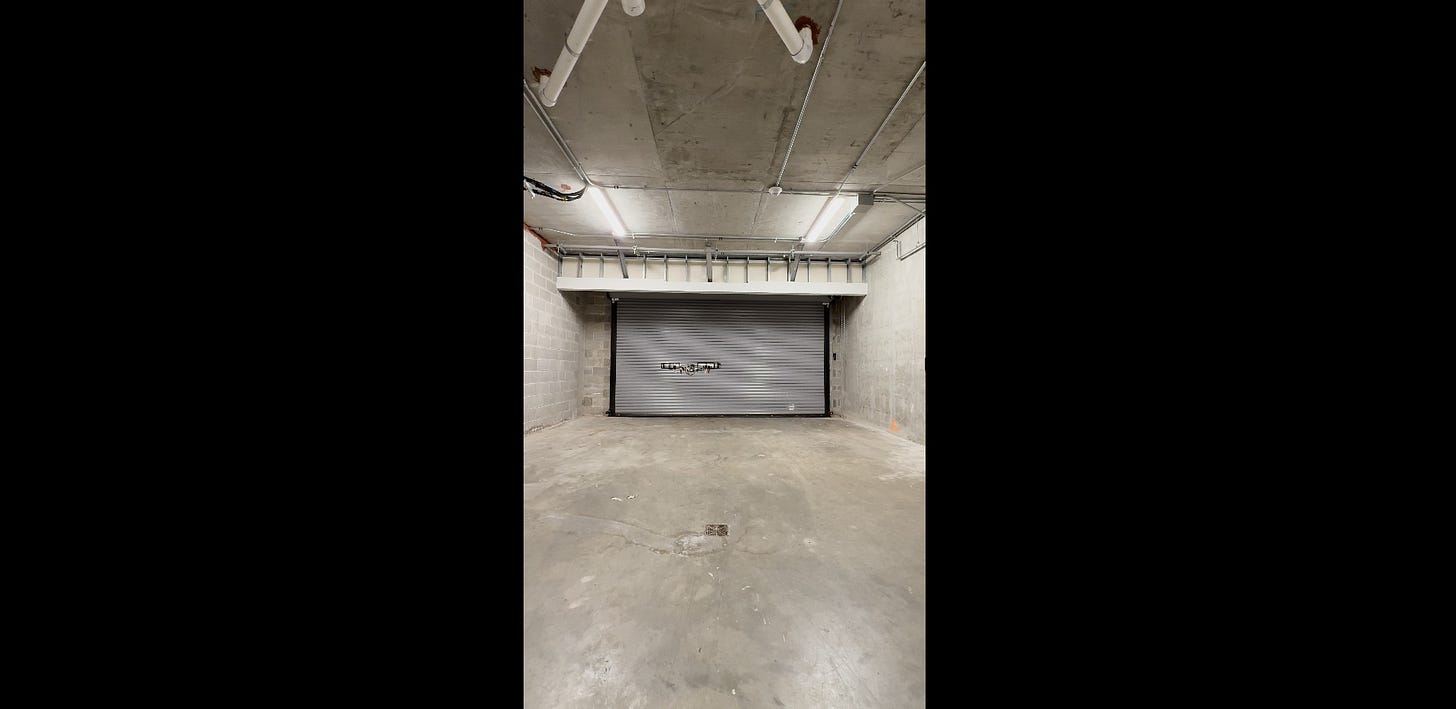
Testing indoor flight with my autonomous drone! TL;DR: I have to now consider recirculating downwash and unreliable air pressure changes indoors, which is not a problem during outdoor flight.
In this video, I’m flying the drone via remote control, just to test if the hardware flies correctly.
One thing I noticed flying indoors, which doesn’t exist outdoors, is that the drone’s air currents fill the entire room, messing with the drone’s ability to hold position correctly.
Specifically, the downward expelled air from the propellers end up moving down from the ground, up the sides of the walls, onto the ceiling, and then back into the propellers (i.e., recirculating downwash). (If you’re in the room, you really feel how strong this air current is).
This recirculating downwash causes two problems: (1) the drone ingests unstable air thereby producing unstable trust, and (2) the flight controller determines altitude by measuring air pressure changes through a barometer; the recirculating downwash disrupts typical air pressure patterns, thereby messing with the barometer.
During the test flight, I tried to manually hold position via remote control but you have to be very skilled with the joysticks to counteract the indoor airflow correctly.
Solution: The goal here is to add visual inertial odometry (VIO) so that the drone could autonomously hold position without my intervention. VIO uses camera images (visual) and an Inertial Measurement Unit (IMU) (motion tracking) to determine where the drone is in 3D space, thereby bypassing the need for a barometer.
If I get this, then it would be autonomous gps-denied indoor flight!
If you're interested in AI/Robotics, let's connect!